The Horror of Reality in Fears to Fathom: Home Alone
When creating a psychological horror game, there are several avenues that creators tend to gravitate towards. One avenue is to blur reality and fiction with a nightmarish exploration of the human psyche. Another is to go for a more realistic interpretation of what true horror is. In the Fears to Fathom series, game developer Reyll has decided to focus on realism, but has also pushed beyond a perceived horror reality with real stories from real people.
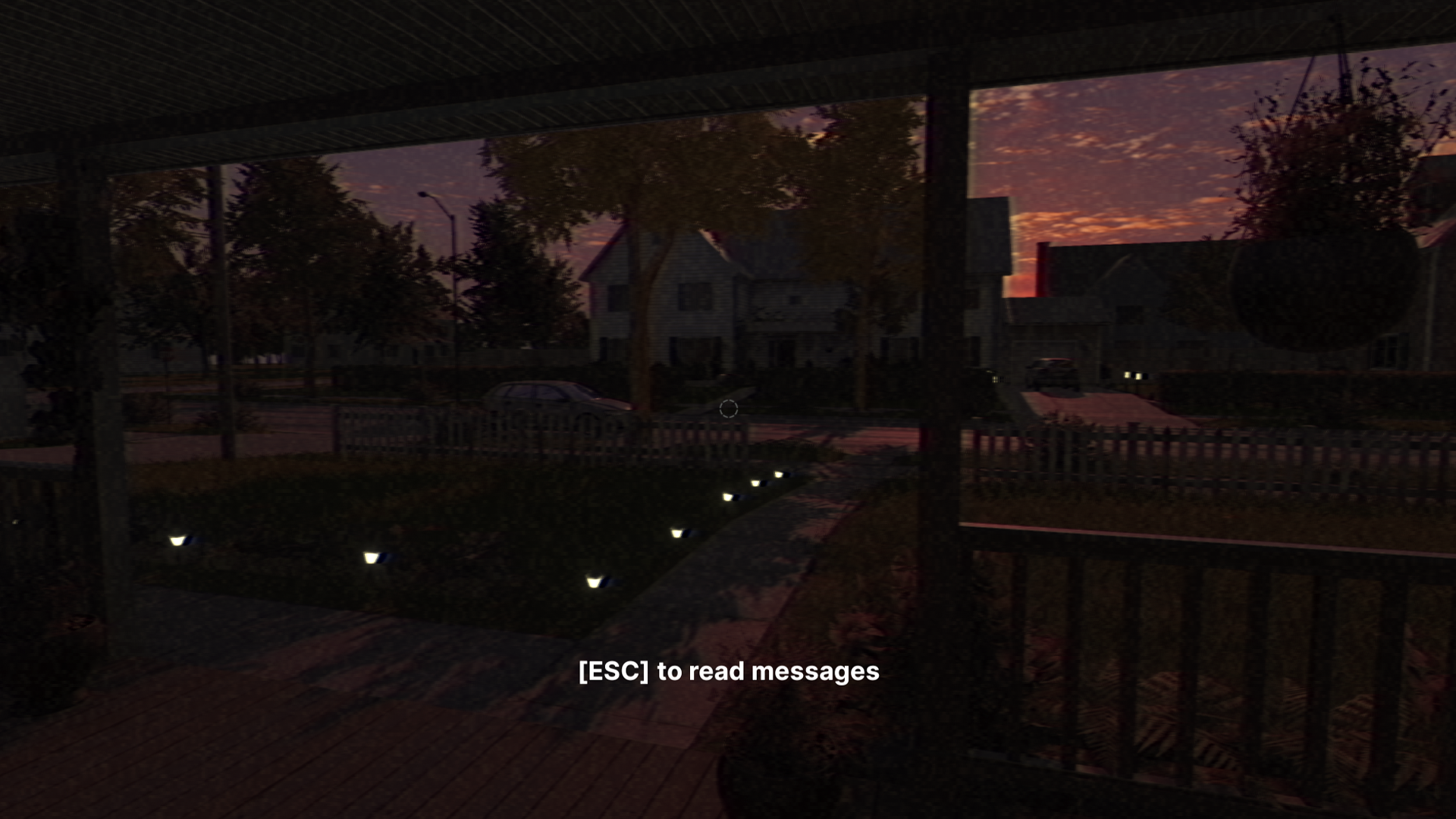
The premise of the Fears to Fathom anthology is that each game is created based on a story submitted by a real fan of the series. There are currently five entries in the series, each with its own unique location and storyline. Every story explores horror in seemingly innocuous situations, such as the first game in the series Fears to Fathom: Home Alone. As the name implies, Fears to Fathom: Home Alone is about a 14-year-old who is left by himself at home for a weekend.
In each Fears to Fathom title, several key gameplay mechanics add to the immersion. For one, the narration is all in the first-person, which is apt as it makes the games feel more grounded and story-like. This narration is used to let the player know what to do next, as Miles, our protagonist, might say, “I got up to get some water,” to tell you to go to the fridge. It’s a clever and apt way to convey the story, gameplay, and atmosphere all at once. The way the narration puts you into the perspective of Miles is something that is uniquely chilling and not often seen in the psychological horror genre. In addition to these narrations, Fears to Fathom: Home Alone also features a texting mechanic where the player receives texts from key people in Miles’ life. These texts effectively add to the sense of dread and sometimes comfort as the world somehow simultaneously feels less empty and more isolating than ever.
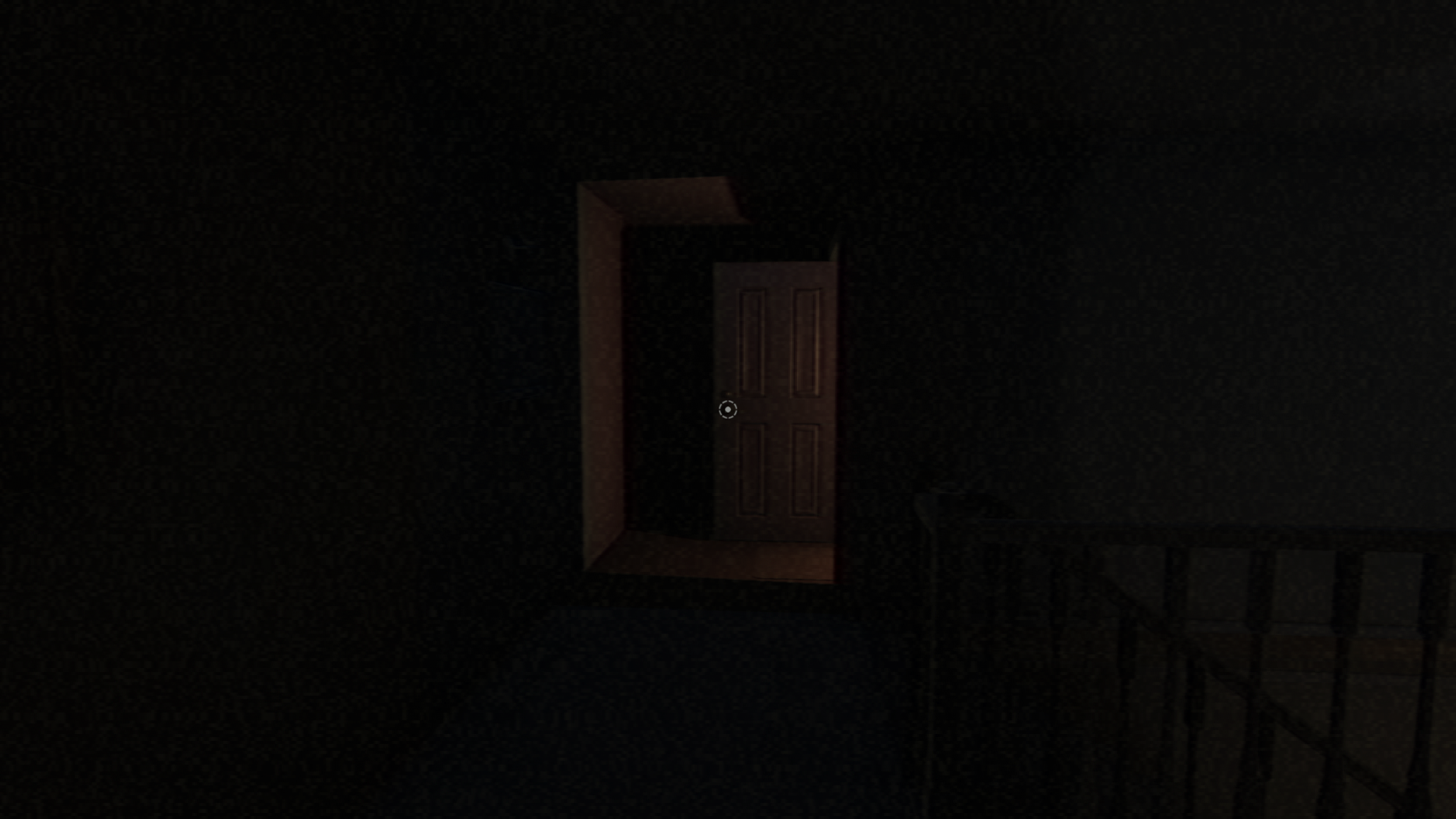
Using only those mechanics, Fears to Fathom: Home Alone expertly weaves a tale of an adolescent nightmare turned into a reality. Miles enjoys leftover food, television, and anything else a teenager might enjoy while having the entire house to himself, but things quickly go south. Strange rumblings of a criminal on the loose are just the start of Miles’ horrific and visceral experience with a home invader. The jumpscares all feel purposeful, and the story itself is told in a way that feels true-to-life and tasteful at the same time.
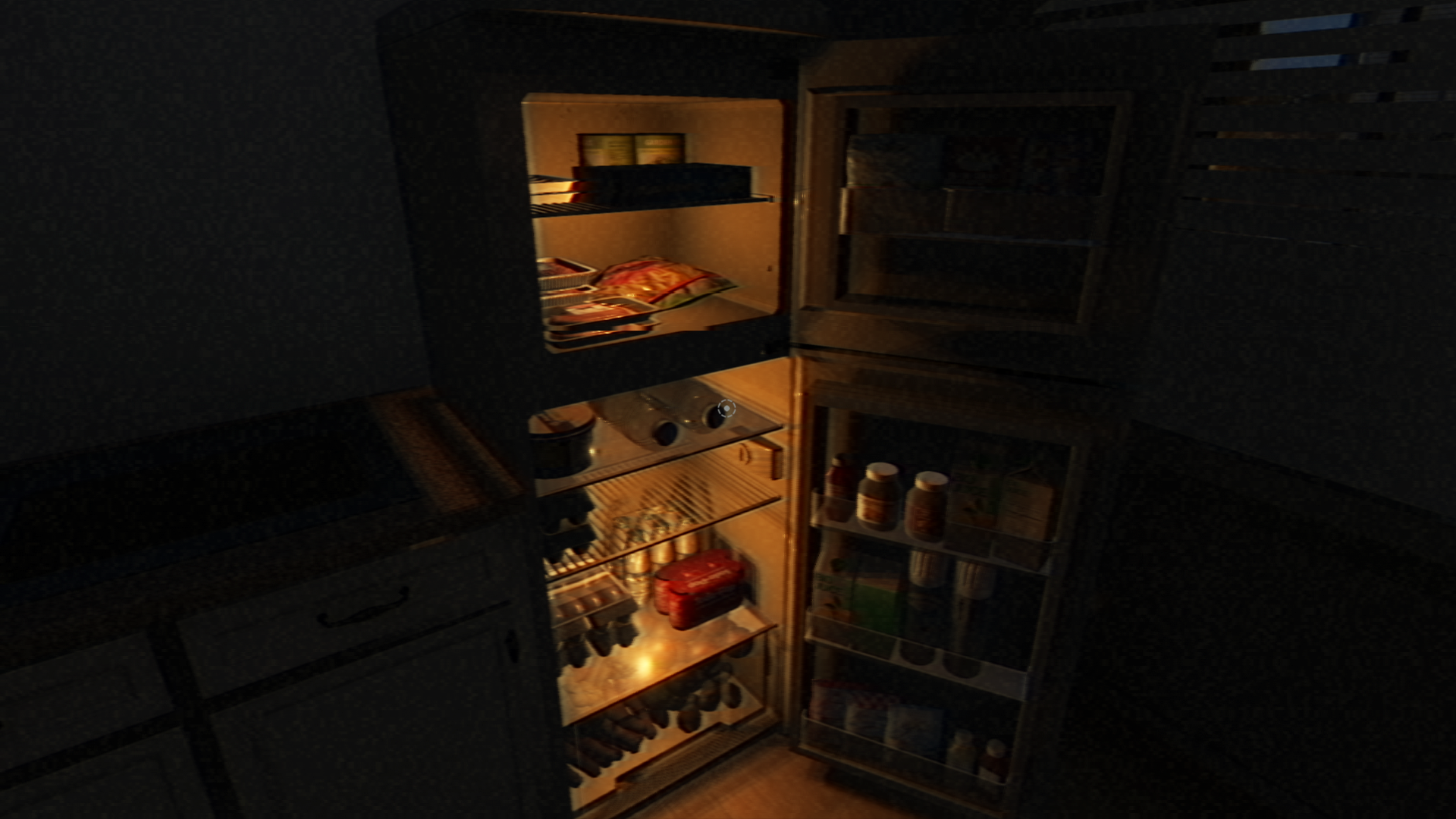
While the story itself is wonderfully constructed, with the shadowy aesthetics and eerie sound design all doing their respective jobs, what sets Fears to Fathom: Home Alone apart from other psychological horror titles is the realness of it all. It’s chilling that the game is based on the story of not only the person who submitted it but those of so many other victims across the world. While playing Fears to Fathom: Home Alone, that reality may not immediately run through one’s head as the jumpscares and ambiance are effective enough to make one forget. However, as the credits roll, the sobering thought of why the game felt so real stays with you well after the game has closed.